
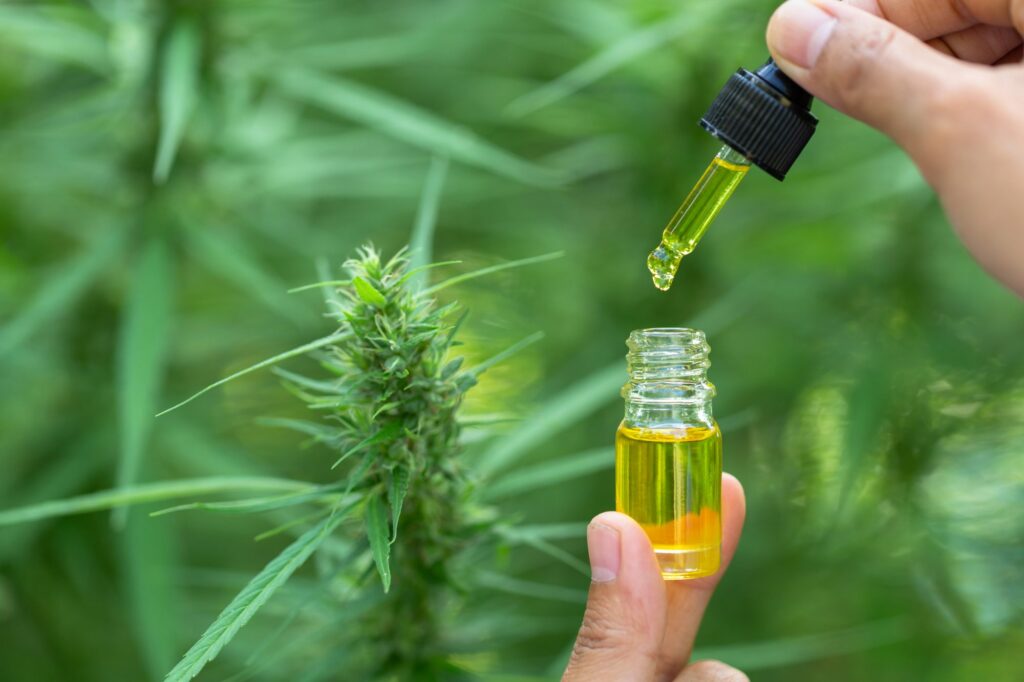
In recent years, CBD oil has emerged as a popular natural remedy for a variety of health issues. From chronic pain and anxiety to sleep disorders and skin conditions, many people are turning to CBD oil for its potential benefits. However, with the increasing popularity of CBD, the market is flooded with different products, making it difficult to know which CBD oil is the best for your health needs.
This guide will walk you through the factors to consider when choosing CBD oil, how to assess product quality, and what to look for in terms of strength, formulation, and purity. By the end, you’ll have a clear understanding of how to choose the best CBD oil for your specific health concerns.
What Is CBD Oil?
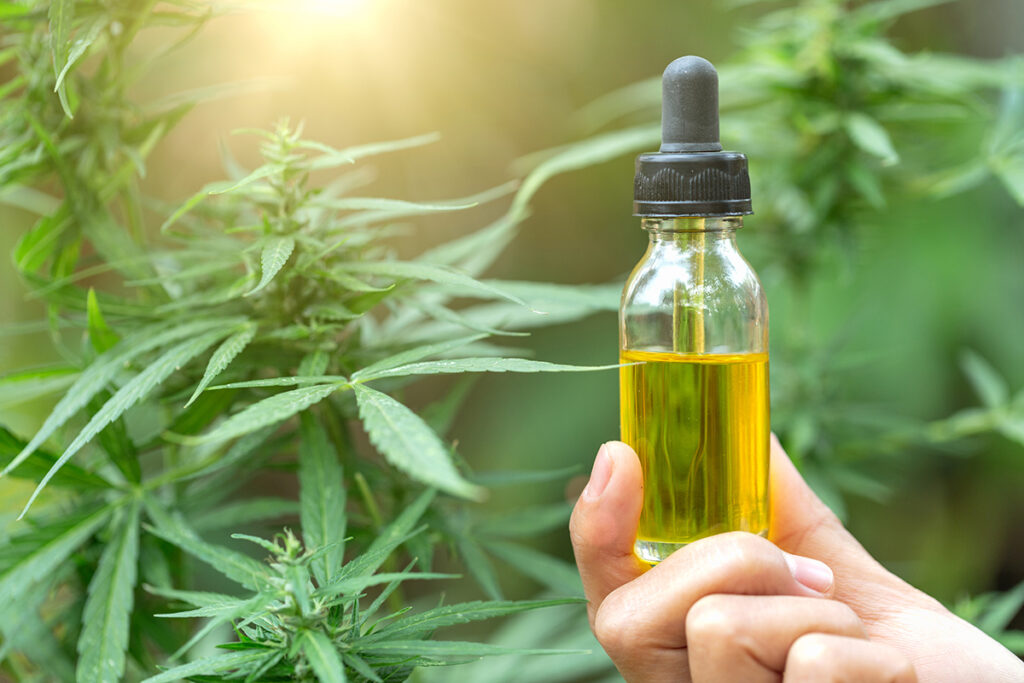
CBD (cannabidiol) is a non-psychoactive compound found in the cannabis plant. Unlike THC (tetrahydrocannabinol), which causes a “high,” CBD doesn’t produce any intoxicating effects, making it a safe option for therapeutic use. CBD oil is typically extracted from the hemp variety of cannabis, which contains little to no THC, ensuring that users experience the benefits of CBD without the mind-altering effects.
CBD oil is known for its anti-inflammatory, antioxidant, analgesic, and anti-anxiety properties. These benefits have made it a popular choice for people looking for natural alternatives to over-the-counter medications.
How CBD Oil Works in the Body
CBD oil interacts with the endocannabinoid system (ECS), which regulates various bodily functions, including pain, inflammation, mood, and sleep. The ECS has two main receptors—CB1 and CB2—that CBD interacts with to help restore balance to the body.
By influencing these receptors, CBD oil can help manage a wide range of health conditions. Some of the most common uses of CBD oil include:
- Pain relief: Reducing inflammation and providing relief from conditions like arthritis, migraines, and back pain.
- Anxiety and stress management: Promoting relaxation and alleviating symptoms of anxiety and depression.
- Sleep disorders: Helping to improve the quality of sleep by regulating the sleep-wake cycle.
- Skin conditions: Treating acne, eczema, psoriasis, and other skin ailments by reducing inflammation and promoting healing.
Now that we have a basic understanding of what CBD oil is and how it works, let’s look at how to choose the best CBD oil for your health needs.
1. Consider the Source of CBD
The first thing to look at when choosing CBD oil is the source of the CBD. High-quality CBD oil is extracted from organically grown hemp, ensuring that the product is free from harmful pesticides, herbicides, and heavy metals. Hemp plants naturally absorb substances from the soil, so it’s crucial that they are grown in clean, non-contaminated environments.
- Organic hemp: Choose CBD oils made from organic hemp to ensure the oil is free from chemicals and pesticides.
- Non-GMO: Look for CBD oil that is labeled as non-GMO to avoid genetically modified plants.
- Third-party testing: Reputable CBD brands often have their products tested by independent laboratories to verify their potency and purity. Always check for third-party lab reports to confirm that the product is free from contaminants and contains the advertised amount of CBD.
2. Full-Spectrum vs. Broad-Spectrum vs. CBD Isolate
When choosing CBD oil, you’ll encounter different types of extracts, including full-spectrum, broad-spectrum, and CBD isolate. Understanding the difference is essential for finding the right product for your needs.
- Full-spectrum CBD oil: Contains a wide range of cannabinoids, terpenes, and other beneficial compounds found in the cannabis plant, including trace amounts of THC (usually less than 0.3%). This entourage effect can enhance the therapeutic benefits of CBD by working synergistically with other compounds.
- Broad-spectrum CBD oil: Similar to full-spectrum, but without THC. This option provides the benefits of the entourage effect without any risk of intoxication.
- CBD isolate: The purest form of CBD, containing 99% CBD and no other cannabinoids, terpenes, or THC. CBD isolate is ideal for those who want the benefits of CBD without any traces of other compounds.
Full-spectrum CBD oil is often preferred by users who want the full range of benefits from the plant, but if you’re sensitive to THC or concerned about drug testing, broad-spectrum or CBD isolate may be a better option.
3. Choose the Right Strength
CBD oil comes in a variety of strengths, typically measured in milligrams of CBD per milliliter (mg/ml). The right strength for you depends on your health condition, tolerance to CBD, and desired effects. Here’s a general guide to help you determine the right strength:
- Low-strength CBD (300mg – 500mg): Ideal for beginners or those looking to manage mild symptoms like stress, anxiety, or trouble sleeping.
- Medium-strength CBD (500mg – 1000mg): Suitable for individuals with moderate pain, anxiety, or inflammation.
- High-strength CBD (1000mg – 2000mg): Best for those dealing with chronic pain, severe anxiety, or other serious health conditions that require stronger doses.
It’s always recommended to start with a low dose and gradually increase it until you find the optimal amount for your needs. Microdosing is a great strategy to avoid side effects and ensure the correct dosage.
4. Consider the Delivery Method
CBD oil is available in several forms, including tinctures, capsules, edibles, and topicals. Each delivery method has its benefits, and the best one for you depends on how quickly you want to feel the effects and how long you want them to last.
- Tinctures and oils: Taken sublingually (under the tongue), these provide fast absorption and quicker results. They’re ideal for people who need immediate relief from conditions like anxiety, pain, or stress.
- Capsules: Offer a pre-measured dose of CBD and are convenient for those who don’t like the taste of oils. However, they take longer to digest and take effect.
- Edibles (gummies): CBD-infused gummies are a tasty and discreet way to consume CBD, but like capsules, they take longer to kick in.
- Topicals: CBD creams, lotions, and balms are ideal for targeting localized pain or skin conditions like acne or eczema.
For fast relief, tinctures or vape pens are the best options, while for long-term relief, capsules or edibles are more convenient.
5. Check the Ingredients
Always check the ingredients list on the product label. Aside from CBD, many oils include other beneficial compounds such as essential oils or herbal extracts. These can enhance the therapeutic effects of CBD or add additional benefits. For example, lavender oil may help with relaxation, while turmeric can provide additional anti-inflammatory properties.
Avoid products with artificial additives, preservatives, or synthetic chemicals that can diminish the purity of the CBD oil.
6. Price and Value for Money
CBD oil can vary in price depending on the brand, quality, and strength. While it’s tempting to go for the cheapest option, remember that quality matters. Low-cost CBD products may not contain the correct amount of CBD or may be made from lower-quality hemp.
Look for products that offer third-party testing and full transparency on their sourcing, ingredients, and manufacturing process. Consider the cost per mg of CBD to evaluate whether you’re getting good value for your money.
Read Also : What to Look for When Buying CBD Oil: A Buyer’s Guide
Conclusion
Choosing the best CBD oil for your health needs involves careful consideration of various factors, such as the source of the CBD, type of extract, strength, delivery method, and additional ingredients. By understanding these factors and selecting a high-quality product, you can enhance your overall well-being and find relief from conditions like pain, anxiety, and sleep disturbances.
Always start with a low dose, track your response, and consult with a healthcare professional if you have any concerns about incorporating CBD oil into your routine. With the right product and proper usage, CBD oil can be a powerful ally in promoting better health and quality of life.