

CBD oil has rapidly become a go-to product for many people looking to enhance their wellness routine with natural remedies. Whether you are interested in CBD oil for its potential benefits in managing pain, anxiety, stress, or sleep issues, it’s essential to make an informed decision when selecting the right product. With the growing popularity of CBD, the market is flooded with options, making it challenging for consumers to know what to look for. This buyer’s guide will walk you through the key factors to consider when purchasing CBD oil to ensure you make the best choice for your health and wellbeing.
Understanding CBD Oil
Before diving into the specific factors to consider when buying CBD oil, it’s important to understand what CBD oil is and how it works. CBD, or cannabidiol, is a natural compound found in cannabis plants. Unlike THC (tetrahydrocannabinol), which is the psychoactive compound in marijuana, CBD does not produce a “high.” Instead, it is believed to interact with the body’s endocannabinoid system to promote a sense of calm, balance, and overall wellness.
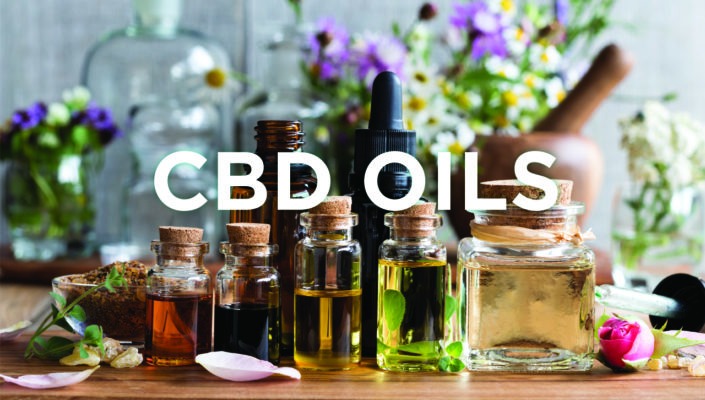
CBD oil is extracted from the cannabis plant and mixed with a carrier oil, such as coconut oil or hemp seed oil, to create the final product. The oil can be taken orally, applied topically, or used in vape pens depending on the product’s formulation.
Full-Spectrum, Broad-Spectrum, or Isolate: Which CBD Oil is Right for You?
One of the first things you’ll encounter when shopping for CBD oil is the terminology used to describe different types of CBD extracts. Understanding the differences between these options will help you choose the one that best suits your needs.
Full-Spectrum CBD Oil
Full-spectrum CBD oil contains a wide range of cannabinoids, terpenes, and other beneficial compounds found in the hemp plant. This includes trace amounts of THC (usually below 0.3%), which is not enough to cause any psychoactive effects. Many users prefer full-spectrum CBD oil due to the “entourage effect,” a phenomenon where the different compounds work synergistically to enhance the overall effects of the oil.
Broad-Spectrum CBD Oil
Broad-spectrum CBD oil is similar to full-spectrum CBD oil but without any THC. This makes it a great option for those who want the benefits of the entourage effect without any concern about THC consumption. Broad-spectrum CBD oil still contains a range of cannabinoids and terpenes, providing a robust CBD experience.
CBD Isolate
CBD isolate is the purest form of CBD, containing only CBD and no other cannabinoids or terpenes. If you want to experience CBD without any other compounds, isolate may be the right choice. While it lacks the entourage effect, CBD isolate can still provide the therapeutic benefits of CBD on its own.
Check for Third-Party Lab Testing
One of the most crucial factors to consider when buying CBD oil is third-party lab testing. Reliable manufacturers will have their products tested by independent labs to verify their quality, potency, and safety. These lab reports should be easily accessible on the manufacturer’s website or upon request.
Why Is Lab Testing Important?
Third-party lab testing ensures that the CBD oil contains the exact amount of CBD and other cannabinoids listed on the label. It also checks for contaminants such as pesticides, heavy metals, and solvents that could be harmful to your health. Additionally, lab tests confirm that the product is free from THC levels that could exceed legal limits or cause unwanted side effects.
When reviewing a lab report, make sure it includes the following information:
- CBD and cannabinoid potency
- THC content (should be less than 0.3% for hemp-derived CBD oil)
- Presence of harmful contaminants
- Solvent residues (if applicable)
CBD Oil Source: Hemp-Derived vs. Marijuana-Derived
CBD oil can be derived from either hemp or marijuana, both of which are cannabis plants. However, there are some significant differences between the two in terms of their legal status, THC content, and general availability.
Hemp-Derived CBD Oil
Hemp-derived CBD oil is extracted from industrial hemp plants, which are legally grown under the 2018 Farm Bill in the United States, as long as they contain less than 0.3% THC. Hemp-derived CBD oil is legal in many countries and is the most common source of CBD oil available in the market.
Since hemp plants are specifically cultivated to have low THC content, hemp-derived CBD oil ensures you are getting the therapeutic benefits of CBD without the risk of experiencing any psychoactive effects.
Marijuana-Derived CBD Oil
Marijuana-derived CBD oil, on the other hand, is sourced from cannabis plants that contain higher levels of THC. While marijuana-derived CBD oil may also provide therapeutic benefits, it may not be legal in all regions due to its higher THC content. Additionally, marijuana-derived CBD oil may cause psychoactive effects, which may not be desirable for all users.
For most people, hemp-derived CBD oil is the preferred choice, as it is both legal and non-psychoactive.
Consider the CBD Oil Extraction Method
The method used to extract CBD from the cannabis plant can affect the quality and purity of the final product. The most common extraction methods include CO2 extraction, solvent extraction, and olive oil extraction.
CO2 Extraction
CO2 extraction is considered the gold standard for CBD oil extraction because it uses pressurized carbon dioxide to pull CBD and other cannabinoids from the hemp plant. This method is highly efficient, produces a pure product, and leaves no residual solvents behind. CBD oils extracted using CO2 tend to be of the highest quality.
Solvent Extraction
Solvent extraction uses alcohol or other solvents to dissolve the cannabinoids and then separates the solvent from the oil. While this method is less expensive, it may leave behind trace amounts of solvents, which could be harmful if consumed in large quantities.
Olive Oil Extraction
Olive oil extraction is a more natural method of extraction, using olive oil as the carrier oil. While this method is safe, it may not yield as concentrated a product as CO2 extraction. However, it is still a viable option for those seeking a more organic approach.
Know the CBD Oil’s Potency and Dosage
CBD oil potency is typically measured in milligrams of CBD per serving or per bottle. Potency will vary depending on the product, so it’s essential to select a CBD oil that fits your needs.
How to Determine the Right Potency for You
If you’re new to CBD, it’s advisable to start with a low potency product (around 300–500 mg per bottle) and gradually increase the dosage if necessary. Higher-potency oils (1000 mg or more per bottle) are better suited for individuals with more experience using CBD or those who require higher doses for specific health concerns.
Dosage Guidelines
There is no one-size-fits-all dosage for CBD oil. The right amount will depend on factors such as your body weight, the severity of your symptoms, and your individual body chemistry. Always start with a small dose and gradually increase it until you find the amount that works best for you.
Consider the Price and Brand Reputation
When purchasing CBD oil, consider the price relative to the product’s quality and potency. While it’s tempting to go for the cheapest option, remember that higher-quality CBD oil often comes at a higher price due to better extraction methods, testing, and sourcing.
Additionally, choose brands that have a strong reputation for quality and transparency. Look for customer reviews, recommendations, and any certifications the brand may have (such as organic certifications or GMP compliance).
Conclusion
Buying CBD oil requires careful consideration of various factors to ensure you’re getting a high-quality product that meets your needs. Always prioritize products that are third-party lab tested, made from hemp, and derived using safe extraction methods. Don’t forget to consider the oil’s potency, the brand’s reputation, and any certifications they may have. With these guidelines in mind, you can confidently navigate the CBD market and select the best CBD oil for your wellness journey.