
Introduction
CBD has become a popular wellness supplement for people seeking natural support for stress, pain, sleep, inflammation, and overall balance. Yet one of the most common—and important—questions new and experienced users alike ask is: How long does CBD take to work?
The answer isn’t one-size-fits-all. CBD’s onset time depends on several factors, including how you take it, your body chemistry, dosage, and what you’re using it for. Understanding these variables can help you set realistic expectations and get the most out of your CBD experience.
This detailed guide breaks down CBD absorption timelines, influencing factors, and practical tips so you know exactly what to expect after taking CBD.
How CBD Works Inside the Body
CBD doesn’t act like traditional medications that target a single symptom or pathway. Instead, it interacts with the endocannabinoid system (ECS)—a complex network of receptors and signaling molecules responsible for maintaining balance in functions such as mood, pain perception, sleep, immune response, and stress regulation.
When you consume CBD, it influences ECS receptors indirectly, helping the body regulate itself rather than forcing a specific response. Because this process is subtle and modulatory, CBD often works gradually rather than instantly. This is one of the main reasons onset time can vary so widely from person to person.
Average Time It Takes for CBD to Start Working
For most users, CBD effects can begin anywhere between 15 minutes and 2 hours after consumption. However, this range is only a general estimate. Some people feel calm or relief quickly, while others notice effects building slowly over several days of consistent use.
Short-term effects such as relaxation or reduced tension may appear first, while longer-term benefits like improved sleep patterns or inflammation control often require repeated use. CBD works best when viewed as a supportive wellness compound, not an instant fix.
How Different CBD Consumption Methods Affect Onset Time
The way you take CBD plays a major role in how fast it works. Each method has a different absorption pathway, influencing both speed and duration.
1. CBD Oil (Sublingual Use)
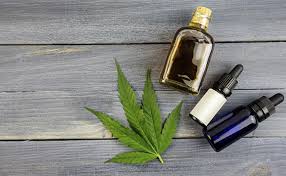
CBD oil taken under the tongue is one of the most popular methods because it offers a balance between speed and effectiveness. When held under the tongue for 60–90 seconds, CBD is absorbed directly into the bloodstream through mucous membranes.
Most users begin to feel effects within 20 to 40 minutes. This method avoids much of the digestive process, allowing more CBD to reach circulation intact. It’s often preferred for stress, anxiety, and general wellness support.
2. CBD Gummies and Edibles
Edibles must pass through the digestive system and liver before CBD enters the bloodstream. This process takes longer but can lead to longer-lasting effects.
Onset usually occurs within 45 minutes to 2 hours, depending on metabolism and whether the edible is taken with food. While slower, edibles are convenient and ideal for people who want steady, extended effects throughout the day.
3. CBD Capsules and Softgels
Capsules function similarly to edibles but offer precise dosing. Since they also rely on digestion, their onset time typically ranges from 1 to 2 hours.
This method is well-suited for daily supplementation, especially for individuals managing chronic concerns who prefer consistency over speed.
4. CBD Vaping or Inhalation
Inhaled CBD enters the bloodstream through the lungs almost immediately. Effects can be felt within 5 to 15 minutes, making it the fastest method available.
However, the effects tend to wear off more quickly compared to oral methods. Vaping is often used for acute needs such as sudden stress or discomfort, though it may not be ideal for long-term daily use.
5. Topical CBD Products
CBD creams, balms, and lotions do not enter the bloodstream. Instead, they interact with local cannabinoid receptors in the skin and muscles.
Relief is usually noticed within 15 to 60 minutes, depending on the product strength and application area. Topicals are best for localized issues like joint stiffness or muscle soreness.
Factors That Influence How Fast CBD Works
Beyond consumption method, several personal and product-related factors affect CBD’s onset time.
1. Your Body Weight and Metabolism
Individuals with faster metabolisms may process CBD more quickly, leading to faster onset. Body weight can also influence how CBD is distributed and absorbed, often requiring dosage adjustments for optimal effects.
2. Dosage Amount
Lower doses may take longer to produce noticeable effects, especially for new users. Higher doses generally act faster, but that doesn’t mean more is always better. Finding the right dosage for your body is key to both speed and effectiveness.
3. Frequency of Use
CBD tends to work more efficiently with consistent use. Over time, CBD may help balance the endocannabinoid system, making effects more noticeable and reliable. Many users report better results after several days or weeks of regular intake.
4. Full-Spectrum vs. Isolate Products
Full-spectrum and broad-spectrum CBD products contain additional cannabinoids and terpenes that may enhance absorption and effectiveness through the “entourage effect.” Isolates, while pure, may take slightly longer or feel less pronounced for some users.
5. Whether You Take CBD With Food
Taking CBD with healthy fats can improve absorption, especially for edibles and capsules. A meal containing fats may slow onset slightly but can increase overall effectiveness and duration.
How Long CBD Effects Typically Last
CBD doesn’t just vary in how fast it works—it also differs in how long its effects remain noticeable.
Most CBD effects last between 4 and 8 hours, depending on the method used. Inhaled CBD wears off sooner, while edibles and capsules tend to last longer. With daily use, some benefits—such as improved sleep or reduced inflammation—can persist even when CBD is not immediately active in the bloodstream.
Can CBD Take Days or Weeks to Fully Work?
Yes, especially for conditions related to inflammation, sleep cycles, or chronic stress. CBD often works cumulatively, meaning its full benefits may become apparent only after consistent daily use over 1–3 weeks.
This gradual effect is normal and reflects how CBD supports balance rather than forcing immediate changes. Patience and consistency are essential for long-term results.
Signs That CBD Is Working
CBD doesn’t usually create an immediate or overpowering sensation, and that’s actually one of its defining characteristics. Instead of producing dramatic shifts in mood or perception, its effects tend to be gentle, gradual, and supportive. Many users describe the experience not as “feeling something new,” but as noticing the absence of things that were previously disruptive—such as constant tension, racing thoughts, or lingering discomfort.
One of the earliest signs CBD may be working is a subtle sense of calm. This doesn’t mean feeling sedated or sleepy, but rather feeling less reactive to everyday stressors. Situations that once triggered anxiety or irritability may feel more manageable, allowing mental clarity and emotional steadiness to improve naturally. Alongside this calm, some people notice better focus and mental balance, especially when stress or restlessness previously interfered with concentration.
Physical effects are often just as understated. Reduced muscle tightness, less joint stiffness, or quicker recovery after exercise may occur without a sudden “aha” moment. Over time, these small improvements add up, making daily movement feel easier and more comfortable. Similarly, improvements in sleep may show up as falling asleep faster, waking less often during the night, or feeling more refreshed in the morning—without the heavy or groggy feeling associated with sleep aids.
Because CBD works by supporting the body’s internal balance, its benefits are often measured in consistency rather than intensity. Instead of a sudden transformation, many users realize they’re experiencing fewer bad days, shorter periods of discomfort, or more stable energy and mood levels. This gradual shift is a sign that CBD is helping the body regulate itself more efficiently, reinforcing the idea that its true value lies in long-term wellness support rather than instant results.
How to Make CBD Work Faster and More Effectively
To optimize CBD’s onset and results, choose high-quality, lab-tested products, start with a moderate dose, and use the same method consistently. Holding CBD oil under the tongue properly, taking edibles with food, and sticking to a routine can significantly improve effectiveness.
Tracking how you feel over time helps fine-tune your approach and ensures CBD is supporting your specific wellness goals.
Also Read: CBD vs. Adaptogens: Which One Works Better for Stress Relief?
Final Thoughts
CBD doesn’t work like a painkiller or sedative—it works by helping your body restore balance over time. Some people feel effects quickly, while others notice gradual improvements with regular use.
Understanding how long CBD takes to work allows you to use it more mindfully and avoid unrealistic expectations. When approached with patience, consistency, and quality products, CBD can become a reliable part of a long-term wellness routine.