
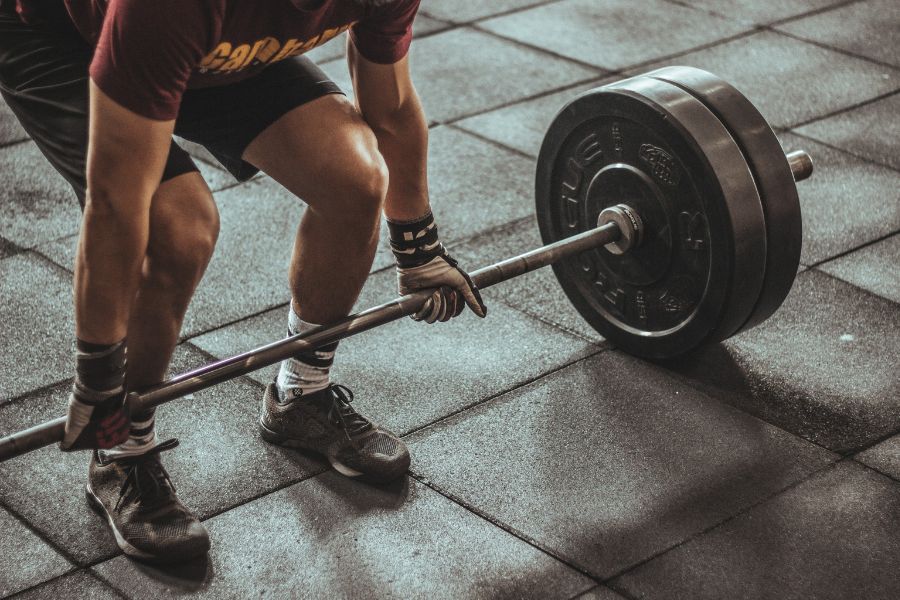
After an intense workout, your body needs time and the right support to heal. Muscle soreness, inflammation, and stiffness are common, especially for athletes and fitness enthusiasts. Recently, CBD oil has gained attention as a natural aid for post-exercise recovery. But how does it work, and is it safe to include in your routine? Let’s explore the science and practical tips behind using CBD oil for muscle recovery.
Why Post-Workout Recovery Matters
Exercise is essential for strength, endurance, and overall health. However, training causes tiny tears in muscle fibers, which is what leads to soreness. Recovery is the period when these fibers repair and grow stronger. Without proper recovery, the risk of injury, fatigue, and reduced performance increases.
That’s why athletes often look for ways to speed up healing and minimize discomfort. Traditionally, people have used methods like ice baths, massage, and over-the-counter pain relievers. Today, CBD oil offers an alternative with natural properties that may benefit the body after strenuous activity.
What Is CBD Oil?
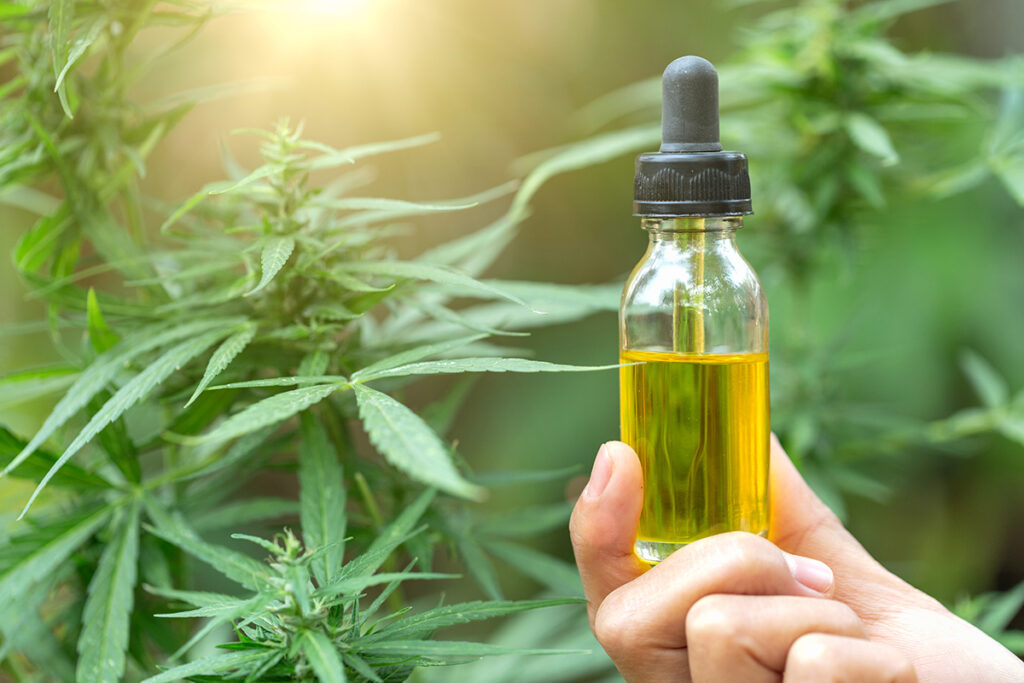
CBD, or cannabidiol, is a compound found in the cannabis plant. Unlike THC, it does not produce a “high.” CBD oil is typically extracted from hemp and is widely used for wellness purposes. It interacts with the body’s endocannabinoid system (ECS), which plays a role in pain regulation, inflammation control, and stress response.
The ECS connection makes CBD especially interesting for fitness recovery. By supporting balance in the body, CBD oil may help reduce the discomfort and inflammation that follow a workout.
How CBD Oil Helps with Muscle Recovery
CBD’s benefits for recovery stem from its natural properties. While research is still growing, several studies and user reports suggest it can play a positive role in post-workout healing.
CBD and Inflammation Relief
After exercise, inflammation is a normal response as muscles repair. However, excessive inflammation can delay recovery and cause stiffness. CBD is believed to have anti-inflammatory effects that help reduce swelling and improve comfort.
Pain Management Support
Muscle soreness, or delayed onset muscle soreness (DOMS), often appears 24–48 hours after a workout. Instead of relying solely on painkillers, many athletes turn to CBD oil for its natural pain-relieving qualities.
Better Sleep for Faster Healing
Quality sleep is vital for recovery since most muscle repair happens during rest. CBD oil may promote relaxation and improve sleep quality, helping the body restore energy and rebuild muscles more effectively.
Different Ways to Use CBD Oil After Exercise
CBD oil can be taken in several forms, depending on your lifestyle and preferences. The method you choose influences how quickly it works and where it provides relief.
Oral Consumption
Taking CBD oil sublingually (under the tongue) allows it to enter the bloodstream quickly. This method provides systemic benefits such as pain relief, reduced inflammation, and better sleep.
Topical Application
CBD-infused creams, balms, or roll-ons can be applied directly to sore muscles. This targets localized discomfort and is popular among athletes who want spot relief.
CBD Edibles and Capsules
For a slower, steady release, edibles like gummies or capsules are convenient. These are best if you prefer a controlled dosage or dislike the taste of CBD oil.
How to Incorporate CBD Oil into Your Recovery Routine
Adding CBD oil to your fitness regimen doesn’t need to be complicated. The key is consistency and understanding what works best for your body.
Start with the Right Dosage
CBD affects everyone differently. Begin with a low dose, such as 10–20 mg, and gradually increase until you notice improvements in soreness, sleep, or relaxation.
Use It After Your Workout
For best results, take CBD oil shortly after your workout to help manage inflammation early. If using it for sleep, consider taking it an hour before bedtime.
Combine with Traditional Recovery Methods
CBD oil works best when paired with proven recovery strategies. Keep hydrating, stretching, and eating a balanced diet to maximize healing. Think of CBD as a complementary aid, not a replacement.
Safety and Things to Consider
While CBD oil is generally safe, there are a few important factors to keep in mind before adding it to your post-workout routine.
Check for Quality and Purity
Not all CBD products are created equal. Look for third-party lab-tested oils to ensure you’re getting pure CBD without harmful additives. Choose broad-spectrum or full-spectrum products if you want the added benefit of other natural compounds from hemp.
Be Aware of Dosage Sensitivity
Some people may experience mild side effects such as dry mouth, drowsiness, or changes in appetite. Always monitor your body’s response and adjust your intake as needed.
Consult with a Healthcare Professional
If you’re on medications or have health conditions, speak with a doctor before starting CBD oil. This ensures it won’t interfere with your current treatment.
Is CBD Oil Legal for Athletes in Canada and the U.S.?
In both Canada and the United States, hemp-derived CBD products with less than 0.3% THC are legal. However, rules may vary by state or province. Athletes competing professionally should also check with sports organizations, as some may still have restrictions on cannabinoids.
Read Also : CBD Oil for Adults: Uses, Benefits, and What to Know Before You Try
Final Thoughts
Post-workout recovery is just as important as the workout itself. Without it, your progress can stall, and injuries may occur. CBD oil offers a natural, plant-based option that supports inflammation relief, pain management, and better sleep.
While research continues, many athletes and fitness enthusiasts are already finding value in incorporating CBD oil into their routines. By starting small, choosing high-quality products, and combining CBD with other recovery methods, you can give your body the care it needs to stay strong and active.