
Introduction
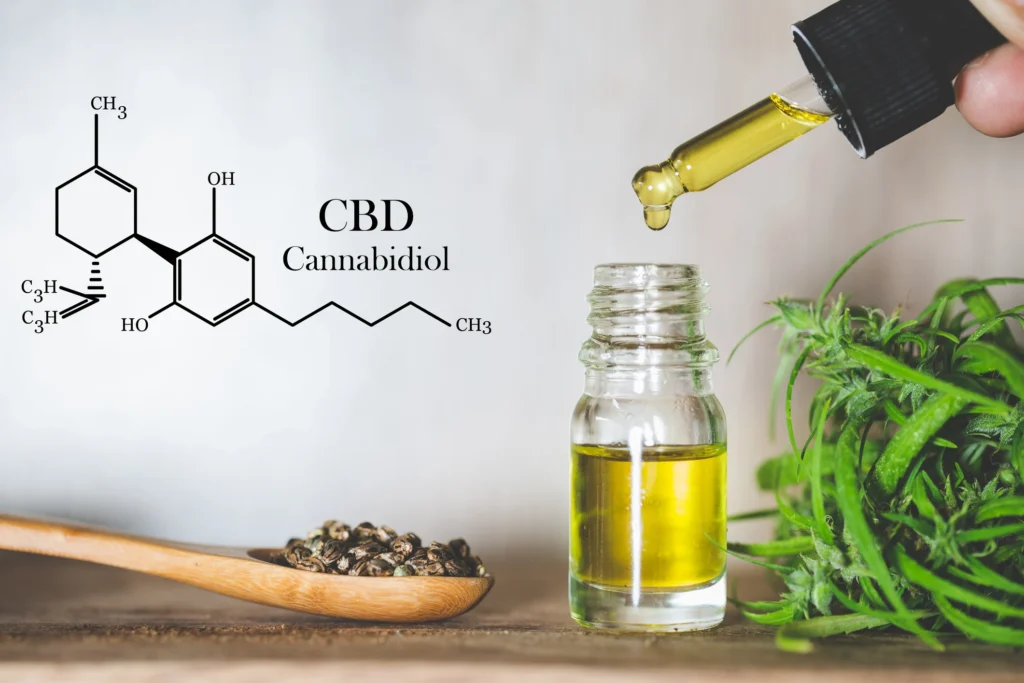
Cannabidiol, more commonly known as CBD, has rapidly gained popularity for its potential to relieve anxiety, reduce pain, improve sleep, and promote overall wellness—without the intoxicating effects associated with THC. But how does CBD actually work in the body? The answer lies in a complex, yet fascinating biological system called the endocannabinoid system (ECS).
In this blog, we’ll take a deep dive into how CBD oil interacts with the ECS, how it influences essential bodily functions, and why it holds such promise as a natural health supplement.
What Is the Endocannabinoid System?

The endocannabinoid system (ECS) is a complex and highly sophisticated network that exists within all mammals, including humans. It consists of three primary components: endocannabinoids (naturally produced signaling molecules), receptors (found throughout the body), and enzymes (responsible for synthesizing and breaking down endocannabinoids). Discovered by researchers in the early 1990s while studying how THC affects the brain, the ECS has since been recognized as a critical regulatory system that helps maintain homeostasis—the state of internal stability necessary for optimal health.
Homeostasis refers to the body’s ability to regulate vital functions such as temperature, mood, sleep, appetite, immune response, and pain perception, even as external conditions fluctuate. The ECS acts like a biological thermostat, constantly working to keep internal systems in balance. When something is out of alignment—whether due to stress, injury, inflammation, or illness—the ECS helps bring the body back to equilibrium. By modulating signals between cells, the ECS ensures that various systems operate smoothly and respond appropriately to changes.
This wide-ranging influence is what makes the ECS so vital, and why compounds like CBD (cannabidiol), which interact with the ECS, are believed to offer such broad potential in supporting wellness.
The ECS Is Involved in Regulating:
- Mood and stress responses
- Pain perception and inflammation
- Immune function
- Sleep cycles
- Appetite and digestion
- Memory and learning
- Reproductive function
- Body temperature regulation
In short, the ECS is responsible for keeping many of the body’s functions running smoothly.
Components of the ECS
To understand how CBD oil works, it helps to understand the three main components of the endocannabinoid system:
1. Endocannabinoids
These are natural chemical messengers produced by your body that resemble cannabinoids found in the cannabis plant. The two main ones are:
- Anandamide (AEA) – sometimes called the “bliss molecule”
- 2-Arachidonoylglycerol (2-AG)
These molecules bind to receptors in the ECS to trigger responses that bring the body back into balance.
2. Cannabinoid Receptors
There are two main types:
- CB1 receptors: Found mostly in the brain and central nervous system. They influence mood, memory, pain perception, appetite, and coordination.
- CB2 receptors: Found primarily in the immune system and peripheral tissues. They play a major role in managing inflammation and immune responses.
3. Enzymes
These break down endocannabinoids after they’ve done their job. The two primary enzymes are:
- FAAH (fatty acid amide hydrolase) – breaks down anandamide
- MAGL (monoacylglycerol lipase) – breaks down 2-AG
How CBD Oil Interacts with the ECS
Unlike THC, which directly binds to CB1 receptors and causes a “high,” CBD does not bind strongly to either CB1 or CB2 receptors. Instead, it exerts its effects through more indirect actions—modulating the way the ECS works and enhancing its ability to restore balance.
Here are a few key ways CBD interacts with the ECS:
1. Inhibits FAAH to Boost Anandamide Levels
CBD appears to inhibit FAAH, the enzyme responsible for breaking down anandamide. By slowing its breakdown, CBD may increase levels of anandamide, which could enhance mood, reduce pain perception, and promote a sense of calm.
2. Modulates Receptor Activity
CBD can influence how CB1 and CB2 receptors respond to other cannabinoids. It doesn’t directly activate them, but it alters the shape or behavior of the receptors, making them more (or less) responsive to signals. This could explain why CBD has anti-inflammatory and neuroprotective effects.
3. Engages Non-ECS Receptors
Interestingly, CBD also interacts with other receptor systems outside of the ECS. For example:
- 5-HT1A serotonin receptors – may play a role in mood, anxiety, and sleep regulation
- TRPV1 receptors – involved in pain and inflammation
- PPAR receptors – related to metabolism and energy balance
These interactions show that CBD’s influence goes well beyond just the ECS and touches on several systems related to mental and physical health.
The Role of the ECS in Common Health Conditions
Because the ECS is involved in so many bodily processes, researchers have explored its role in various conditions. When the ECS is underactive or unbalanced—a condition sometimes referred to as endocannabinoid deficiency—it may contribute to:
- Chronic pain disorders
- Anxiety and depression
- Irritable bowel syndrome (IBS)
- Migraines
- Autoimmune disorders
- Sleep disturbances
CBD oil may help support the ECS in restoring balance, which is why so many people report relief from a wide range of symptoms when using it.
Why CBD Oil Is an Effective Delivery Method
One of the most effective and popular ways to consume CBD is through CBD oil, typically administered sublingually, or under the tongue. This method offers distinct advantages in both speed and efficiency of absorption. When CBD oil is placed beneath the tongue, it is absorbed through the thin layer of mucous membranes lining the mouth. This allows it to bypass the digestive system and liver’s first-pass metabolism, which can otherwise break down a significant portion of the active compounds before they enter the bloodstream.
As a result, sublingual delivery enables faster onset of effects—often within 15 to 45 minutes—and greater bioavailability, meaning a higher percentage of CBD actually reaches the bloodstream and is available for the body to use. This makes it especially appealing to users looking for quick relief from acute symptoms such as anxiety attacks, stress spikes, migraines, or sleeplessness.
Beyond oral use, CBD oil is also commonly used in topical formulations, such as creams, balms, salves, and lotions. When applied to the skin, CBD does not enter the bloodstream but instead interacts with local cannabinoid receptors in the epidermis and underlying tissues. This makes topicals ideal for targeted relief, especially for localized issues like joint pain, muscle soreness, inflammation, or skin conditions like eczema or psoriasis.
These versatile delivery options—sublingual for systemic support and topical for localized care—make CBD oil one of the most flexible and widely used forms of cannabidiol available today.
Is CBD Safe?
CBD is generally considered safe and well-tolerated. Some people may experience mild side effects, including:
- Dry mouth
- Drowsiness
- Changes in appetite
- Digestive discomfort
To ensure the highest level of safety, always choose CBD oil that is third-party tested, free from contaminants, and sourced from organic, non-GMO hemp. Start with a low dose and gradually increase until you find the amount that works best for your body.
Also Read: CBD Oil for Adults: Uses, Benefits, and What to Know Before You Try
Final Thoughts
CBD oil offers a natural and promising way to support wellness by interacting with the body’s endocannabinoid system—a powerful, built-in regulator of mood, pain, inflammation, and more. Rather than forcing changes, CBD helps your body restore balance from within. That’s what makes it so appealing to people looking for a gentle yet effective addition to their health routine.
As research into the ECS and cannabinoids continues, we’re only beginning to understand the full potential of CBD. But what’s clear already is that this plant-based compound offers a powerful tool for promoting balance and well-being—naturally.