
Introduction
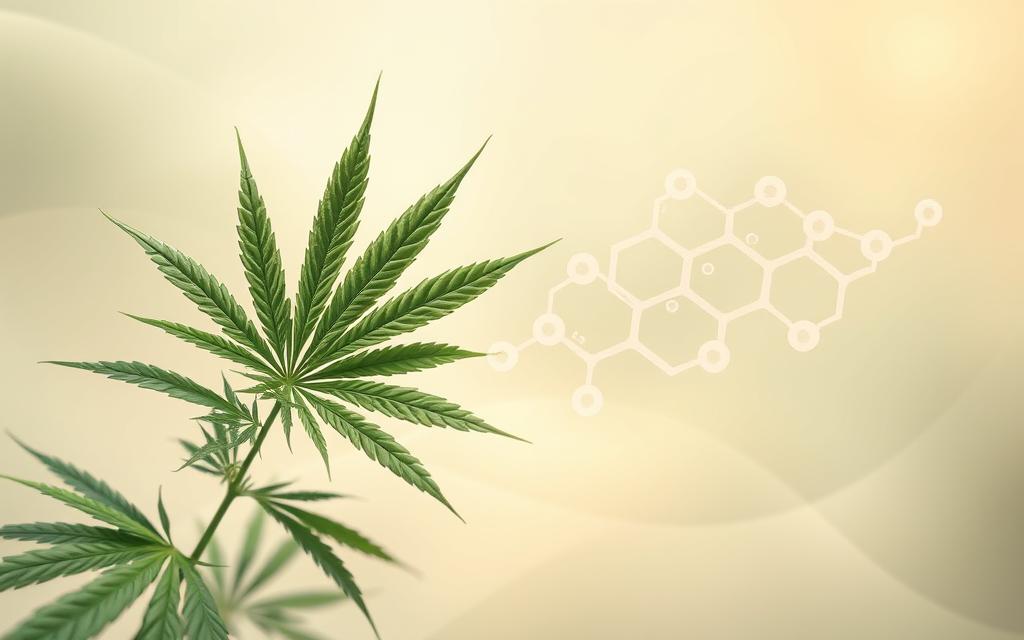
Cannabis is a remarkably complex plant with over 500 naturally occurring compounds that work together to produce its wide range of therapeutic effects. While most people are familiar with CBD (cannabidiol) and THC (tetrahydrocannabinol), the plant also contains other active components—terpenes, flavonoids, and minor cannabinoids—that play essential roles in shaping its benefits.
CBD doesn’t act in isolation. Instead, it interacts synergistically with these compounds to produce what scientists call the “entourage effect.” This means the combination of compounds in cannabis may offer more powerful results than CBD or THC alone. Understanding this natural harmony helps consumers choose the right product for their health and wellness goals.
The Entourage Effect: Why Whole-Plant Synergy Matters
The entourage effect is the cornerstone of understanding CBD’s relationship with other compounds in cannabis. Coined in the late 1990s by Israeli scientists Dr. Shimon Ben-Shabat and Dr. Raphael Mechoulam, the term refers to the way cannabinoids, terpenes, and flavonoids enhance each other’s effects within the body.
For example, CBD can temper THC’s psychoactive effects, making users feel more relaxed and less anxious. Meanwhile, terpenes such as myrcene and linalool may influence how cannabinoids bind to receptors in the endocannabinoid system (ECS).
This synergy suggests that broad-spectrum or full-spectrum CBD oils, which retain these compounds, may offer richer, more balanced benefits than CBD isolates.
CBD and THC: A Balanced Partnership
THC and CBD are like yin and yang—they balance each other beautifully. THC binds directly to CB1 receptors in the brain, producing the “high” sensation associated with cannabis. CBD, on the other hand, doesn’t bind to these receptors in the same way. Instead, it modifies how THC interacts with them, often reducing its intoxicating effects while still maintaining therapeutic potential.
This interaction allows users to enjoy the benefits of THC—such as pain relief or appetite stimulation—without overwhelming psychoactivity. It’s one reason why CBD-rich strains or balanced CBD:THC formulations are increasingly popular for both medical and wellness use.
Research also suggests that CBD may protect against THC-induced anxiety or paranoia, creating a smoother and more controlled experience.
CBD and Minor Cannabinoids: The Unsung Heroes
Beyond CBD and THC, cannabis contains over 100 minor cannabinoids—each with unique properties. When combined, they can subtly enhance CBD’s therapeutic effects.
- CBG (Cannabigerol): Known as the “mother cannabinoid,” CBG supports focus, gut health, and inflammation control. When paired with CBD, it enhances calm and balance.
- CBC (Cannabichromene): Believed to contribute to mood enhancement and neurogenesis, CBC works synergistically with CBD to support brain health.
- CBN (Cannabinol): Created as THC ages, CBN has mild sedative effects. Together with CBD, it may promote deeper relaxation and improved sleep.
These minor cannabinoids may not be as famous, but their collective interaction with CBD helps shape a more holistic and effective wellness experience—especially in full-spectrum oils.
CBD and Terpenes: Aromatic Enhancers with Therapeutic Power
Terpenes are the aromatic compounds responsible for cannabis’s distinct scents—from citrusy and floral to earthy and piney tones. But beyond their fragrance, terpenes also play a crucial role in influencing how cannabinoids work in the body.
Here’s how CBD and terpenes interact:
- Myrcene: Known for its sedative qualities, myrcene enhances CBD’s calming effects and may promote better sleep.
- Limonene: Found in citrus varieties, limonene supports mood elevation and stress relief when combined with CBD.
- Linalool: This lavender-scented terpene enhances CBD’s soothing and anti-anxiety properties.
- Pinene: Known for its anti-inflammatory and memory-supporting effects, pinene complements CBD’s cognitive benefits.
By interacting with cannabinoid receptors, terpenes help fine-tune CBD’s effects, creating a more personalized and therapeutic experience. This is why aroma and flavor aren’t just sensory pleasures—they’re functional features in cannabis-based wellness.
CBD and Flavonoids: The Plant’s Hidden Wellness Boosters
Flavonoids are lesser-known compounds found in many fruits, vegetables, and flowers—but cannabis has its own unique set known as cannflavins. These plant pigments not only give cannabis its vibrant color but also contribute to its healing properties.
Cannflavins A, B, and C have shown strong anti-inflammatory and antioxidant effects, which may complement CBD’s ability to regulate immune response and reduce oxidative stress.
When CBD interacts with flavonoids, it enhances their bioavailability—meaning the body absorbs and uses them more effectively. Together, they provide deeper protection against inflammation, pain, and cellular damage.
How Extraction Methods Influence Compound Synergy
The way CBD oil is extracted greatly impacts how well it retains other beneficial compounds.
- Full-Spectrum CBD: Contains all cannabinoids, terpenes, and flavonoids, allowing for maximum entourage effect.
- Broad-Spectrum CBD: Includes most cannabinoids and terpenes but no THC—ideal for those seeking synergy without intoxication.
- CBD Isolate: Pure CBD with all other compounds removed. While potent, it lacks the layered benefits of the entourage effect.
If your goal is holistic wellness, full-spectrum or broad-spectrum extracts typically offer better synergy and long-term benefits.
The Science Behind the Synergy
Scientific studies continue to explore how these compounds interact at the molecular level. Evidence suggests that CBD’s modulation of the endocannabinoid system can be amplified by terpenes and other cannabinoids.
For instance:
- A 2011 review published in British Journal of Pharmacology highlighted how cannabinoid-terpene interactions could enhance the treatment of pain, anxiety, depression, and inflammation.
- Another study found that CBD and THC combinations were more effective for multiple sclerosis-related pain than either compound alone.
While more research is needed, these findings reinforce the idea that nature designed cannabis to work best as a complete, interconnected system.
Choosing the Right CBD Product for Synergistic Benefits
If you’re looking to experience the synergy of CBD and other cannabis compounds, consider these tips:
- Opt for full-spectrum or broad-spectrum CBD oils. They retain the natural harmony of cannabinoids and terpenes.
- Check lab reports (COAs). Ensure your product lists cannabinoid and terpene profiles to confirm quality.
- Start with low doses. Observe how your body responds to different combinations before increasing intake.
- Prioritize reputable brands. Look for those using clean extraction methods and organic hemp.
Also Read: Is CBD Oil Safe for Daily Use? What You Should Know Before Starting
Conclusion
CBD’s interaction with other natural compounds in cannabis reveals one profound truth: the plant works best as a whole. Each component—whether cannabinoid, terpene, or flavonoid—plays a vital role in supporting the body’s balance and well-being.
By understanding how these compounds complement one another, consumers can make informed choices and harness the full therapeutic power of cannabis in a natural, holistic way.