
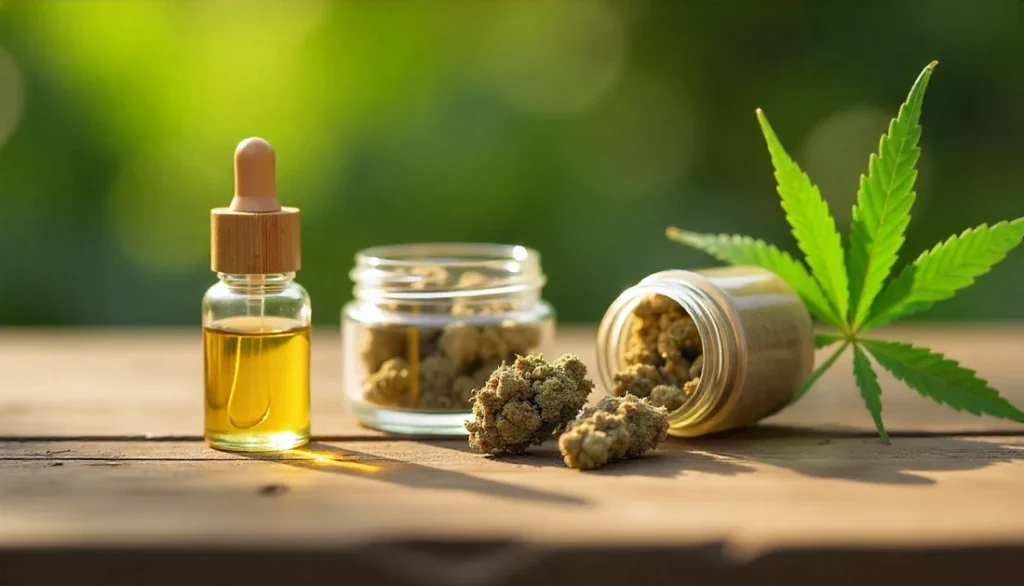
CBD oil is available in several formulations, and understanding the differences between them can make it easier to choose a product that matches your preferences. One of the main types you may come across is broad-spectrum CBD oil.
Broad-spectrum CBD oil is made from hemp and typically contains multiple naturally occurring compounds found in the plant, including CBD and other cannabinoids and aromatic compounds. Unlike full-spectrum CBD, broad-spectrum products are generally formulated to contain little to no detectable THC.
But how is broad-spectrum CBD oil different from full-spectrum CBD oil or CBD isolate? What makes each type unique, and what should you know before choosing one?
Let’s break it down in simple terms.
What Is Broad-Spectrum CBD Oil?
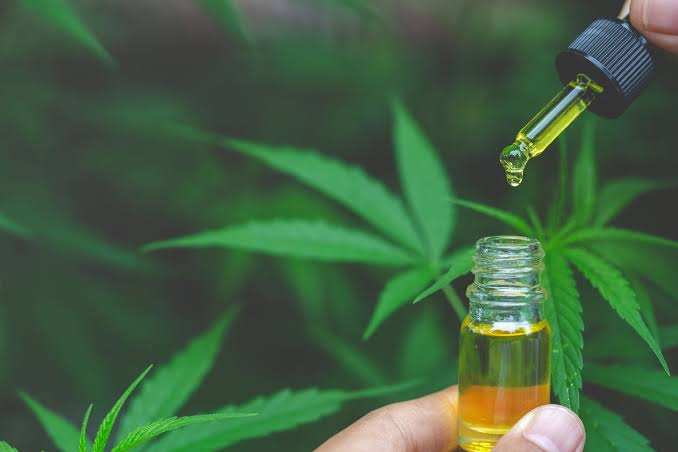
Broad-spectrum CBD oil is a hemp-derived CBD product that contains CBD along with other naturally occurring hemp compounds, while manufacturers generally remove THC during processing.
Depending on the product, broad-spectrum formulations may contain:
- CBD (cannabidiol)
- Other minor cannabinoids
- Terpenes
- Flavonoids
- Other naturally occurring hemp compounds
The exact composition can vary between products, so checking the product label and certificate of analysis can help you understand what is actually present.
One of the main reasons people consider broad-spectrum CBD oil is that it provides a multi-compound hemp formulation without intentionally including THC as a component of the formulation.
How Is Broad-Spectrum CBD Oil Made?
Broad-spectrum CBD oil begins with hemp. Manufacturers extract compounds from the plant and then process the extract to create the desired formulation.
The general process may involve:
1. Hemp Cultivation
Hemp plants are grown and harvested for their naturally occurring cannabinoids and other plant compounds.
The quality of the starting hemp can influence the composition of the resulting extract.
2. Extraction
Manufacturers use extraction methods to separate desired compounds from the plant material.
The resulting extract can contain CBD and other naturally occurring hemp compounds.
3. Processing
The extract may undergo additional processing to adjust its cannabinoid profile and remove unwanted components.
For broad-spectrum products, manufacturers generally aim to remove THC while retaining CBD and some of the other compounds naturally found in hemp.
4. Formulation
The resulting extract can be combined with a carrier oil, such as MCT oil or another suitable oil, to create the final CBD oil product.
Because manufacturing methods differ, two broad-spectrum products may not have exactly the same cannabinoid or terpene profile.
Broad-Spectrum vs Full-Spectrum CBD Oil
The biggest difference between broad-spectrum and full-spectrum CBD oil relates to THC.
1. Full-Spectrum CBD Oil
Full-spectrum CBD generally contains CBD along with a broader range of naturally occurring hemp compounds, including cannabinoids and terpenes. It can also contain THC within the legal limits applicable to the product and jurisdiction.
2. Broad-Spectrum CBD Oil
Broad-spectrum CBD is also intended to retain multiple hemp compounds, but manufacturers generally remove THC or reduce it to a non-detectable level.
In simple terms:
Full-spectrum: CBD + other hemp compounds + potentially THC
Broad-spectrum: CBD + other hemp compounds, with THC generally removed
The exact composition should always be confirmed through the product’s testing information rather than relying only on the product name.
Broad-Spectrum vs CBD Isolate
CBD isolate is different from broad-spectrum CBD oil because it focuses on CBD as an isolated compound.
1. CBD Isolate
CBD isolate is a highly purified form of CBD with other hemp compounds removed or largely removed.
2. Broad-Spectrum CBD
Broad-spectrum CBD retains CBD along with some other hemp compounds while generally excluding detectable THC.
This creates a simple distinction:
CBD isolate: Primarily CBD
Broad-spectrum: CBD + selected hemp compounds, generally without detectable THC
For consumers who prefer a more comprehensive hemp extract but want to avoid detectable THC, broad-spectrum CBD may be an option worth exploring.
Why Does CBD Oil Come in Different Types?
CBD products can be formulated in different ways because consumers have different preferences.
Some people prefer a product containing multiple naturally occurring hemp compounds. Others may prefer a purified CBD product with a simpler composition.
The three common categories are:
1. Full-Spectrum CBD
Contains CBD and a range of other naturally occurring hemp compounds, including some THC.
2. Broad-Spectrum CBD
Contains CBD and multiple other hemp compounds, while manufacturers generally remove THC.
3. CBD Isolate
Contains purified CBD with other hemp compounds removed.
Understanding these categories can make product labels much easier to interpret.
What Compounds Are Found in Broad-Spectrum CBD?
Broad-spectrum CBD oil may contain more than just CBD.
1. Cannabinoids
Cannabinoids are naturally occurring compounds found in cannabis plants. CBD is one of the best-known cannabinoids, but hemp contains several others.
The exact cannabinoid profile depends on the hemp variety, extraction method, and manufacturing process.
2. Terpenes
Terpenes are aromatic plant compounds that contribute to the characteristic smell and flavor of hemp.
Different hemp varieties can have different terpene profiles.
3. Flavonoids
Flavonoids are naturally occurring plant compounds that can contribute to the characteristics of plants and foods.
Not every broad-spectrum CBD product will contain the same amounts or combination of these compounds.
Does Broad-Spectrum CBD Contain THC?
Broad-spectrum CBD products are generally manufactured to contain little to no detectable THC.
However, “broad-spectrum” should not automatically be treated as a guarantee that a product contains absolutely zero THC.
Manufacturing processes and testing standards can vary, and trace amounts may be possible depending on the product.
If avoiding THC is particularly important to you, check the product’s certificate of analysis (COA) or independent laboratory testing results.
A COA can provide information about the cannabinoids detected in a particular batch.
What Is a Certificate of Analysis?
A certificate of analysis is a laboratory report that provides information about the contents of a tested product.
For CBD oil, a COA may show:
- CBD concentration
- THC concentration
- Other cannabinoids
- Batch information
- Testing results
- Sometimes information about contaminants or other quality parameters
Third-party testing can provide greater transparency because it gives consumers an independent view of what a product contains.
When evaluating broad-spectrum CBD oil, checking the COA can be particularly useful if you want to confirm the cannabinoid profile and THC results.
Broad-Spectrum CBD Oil and the “Entourage Effect”
You may hear the term entourage effect when researching full-spectrum and broad-spectrum CBD products.
The concept suggests that different cannabis compounds may interact with one another and potentially produce effects that differ from those of an isolated compound.
Broad-spectrum products retain multiple hemp compounds, which is one reason the entourage effect is sometimes discussed in relation to them.
However, research into how different combinations of cannabinoids and other compounds affect humans is still developing. It is better to view the entourage effect as an area of scientific interest rather than assuming that every multi-compound CBD product will produce a particular result.
Potential Benefits of Choosing Broad-Spectrum CBD Oil
People may choose broad-spectrum CBD oil for different reasons.
1. It Contains More Than Isolated CBD
Unlike CBD isolate, broad-spectrum CBD can retain several naturally occurring hemp compounds.
2. It Is Designed Without Detectable THC
For people who prefer to avoid THC, broad-spectrum products may offer an alternative to full-spectrum products.
3. It Offers a Multi-Compound Formulation
Some consumers prefer products that contain a broader range of hemp compounds rather than a single isolated compound.
4. It Comes in Different Strengths
Broad-spectrum CBD oils are available in different concentrations, allowing consumers to compare products based on their CBD content and serving size.
However, the strength and composition of one product can differ significantly from another, so reading the label is important.
What Should You Look for in Broad-Spectrum CBD Oil?
Choosing a CBD product involves more than simply looking at the word “broad-spectrum” on the bottle.
Consider the following factors.
Check the CBD Amount
Look at the total amount of CBD in the bottle and the amount provided per serving.
A product containing 1,000 mg of CBD in the entire bottle does not mean each serving contains 1,000 mg.
1. Check the THC Information
If you want to avoid THC, review the product’s laboratory testing information and COA.
2. Look at the Ingredients
Check the carrier oil, flavorings, additives, and other ingredients.
A simple ingredient list can make it easier to understand what you are consuming.
3. Look for Third-Party Testing
Independent laboratory testing can provide additional transparency regarding cannabinoid content and product quality.
4. Check the Batch Information
A reliable product should provide enough information to connect the product with its testing results.
5. Consider the Brand’s Transparency
Look for manufacturers that clearly explain their ingredients, testing practices, cannabinoid content, and manufacturing approach.
Is Broad-Spectrum CBD Better Than Full-Spectrum or Isolate?
There is no universal answer.
The best formulation depends on what you are looking for in a CBD product.
Broad-spectrum CBD may appeal to someone who wants multiple hemp compounds while generally avoiding detectable THC.
Full-spectrum CBD may appeal to someone who prefers a more complete hemp extract and is comfortable with the possibility of THC within applicable limits.
CBD isolate may appeal to someone looking for a highly purified CBD product with minimal additional hemp compounds.
Instead of assuming one type is universally better, compare the product composition, testing information, concentration, and your personal preferences.
How Do You Compare CBD Oil Strengths?
Strength is another important factor when comparing CBD products.
CBD oil strength is commonly expressed as the total amount of CBD in the bottle or as a concentration.
For example, a bottle containing 1,000 mg of CBD may be more concentrated than a 500 mg bottle of the same size.
However, bottle size matters.
A 1,000 mg product in a 30 mL bottle has a different concentration from a 1,000 mg product in a 60 mL bottle.
This is why consumers should look at both the total CBD amount and the CBD amount per serving.
How Should You Read a Broad-Spectrum CBD Label?
A CBD label can provide several useful pieces of information.
Look for:
- Total CBD content
- CBD per serving
- Bottle volume
- Cannabinoid information
- THC information
- Ingredients
- Batch number
- Manufacturer information
- Suggested serving information
- Third-party testing details
Reading the complete label can help you avoid confusing total bottle strength with individual serving size.
Broad-Spectrum CBD Oil and Legal Considerations
CBD regulations can vary depending on the country, region, product type, and THC content.
A product marketed as broad-spectrum does not automatically have the same legal status everywhere.
Before purchasing or using CBD oil, check the regulations that apply where you live. This is particularly important when traveling across regions or countries.
Can You Use Broad-Spectrum CBD Oil Every Day?
Some people incorporate CBD products into their regular routines, but daily use is not automatically appropriate for everyone.
CBD can interact with certain medications and may not be suitable for some individuals.
If you take prescription medicines, have an underlying health condition, are pregnant or breastfeeding, or are unsure whether CBD is appropriate for you, speak with a qualified healthcare professional before using it.
It is also important to follow the product’s serving instructions rather than assuming that a higher amount will necessarily provide better results.
Broad-Spectrum CBD: What Makes It Different?
Broad-spectrum CBD occupies a middle ground between full-spectrum CBD and CBD isolate.
It retains multiple hemp-derived compounds while manufacturers generally remove THC.
This makes the category particularly relevant to people who want a multi-compound CBD product but prefer to avoid detectable THC.
Still, products can vary considerably. The term “broad-spectrum” does not tell you everything about a product’s quality, concentration, ingredients, or cannabinoid profile.
Checking the label and third-party laboratory results can help you understand what you are actually buying.
Also Read: CBD Oil and Relaxation: Understanding Its Place in a Wellness Routine
Final Thoughts
Broad-spectrum CBD oil is a hemp-derived CBD formulation that typically contains CBD and other naturally occurring hemp compounds while being processed to remove THC.
Compared with full-spectrum CBD, it is generally designed to contain no detectable THC. Compared with CBD isolate, it retains a wider range of hemp compounds.
Choosing between broad-spectrum, full-spectrum, and isolate depends on your preferences and what you want from a CBD product. Rather than focusing only on the product category, look at its CBD concentration, ingredients, laboratory testing, THC information, and overall transparency.
As research into CBD and other cannabinoids continues, understanding product labels and formulations can help consumers make more informed choices.